Reading a valve nameplate: MSS SP-25 marking explained
A valve nameplate marked to MSS SP-25 identifies the valve: manufacturer, size, pressure class or rating, body and trim material grades, and often the governing standard and heat identification. Reading it correctly lets a buyer match an installed valve, order a replacement, or verify a delivery against the purchase order. This article walks each field on a typical plate and the traps in partial markings.
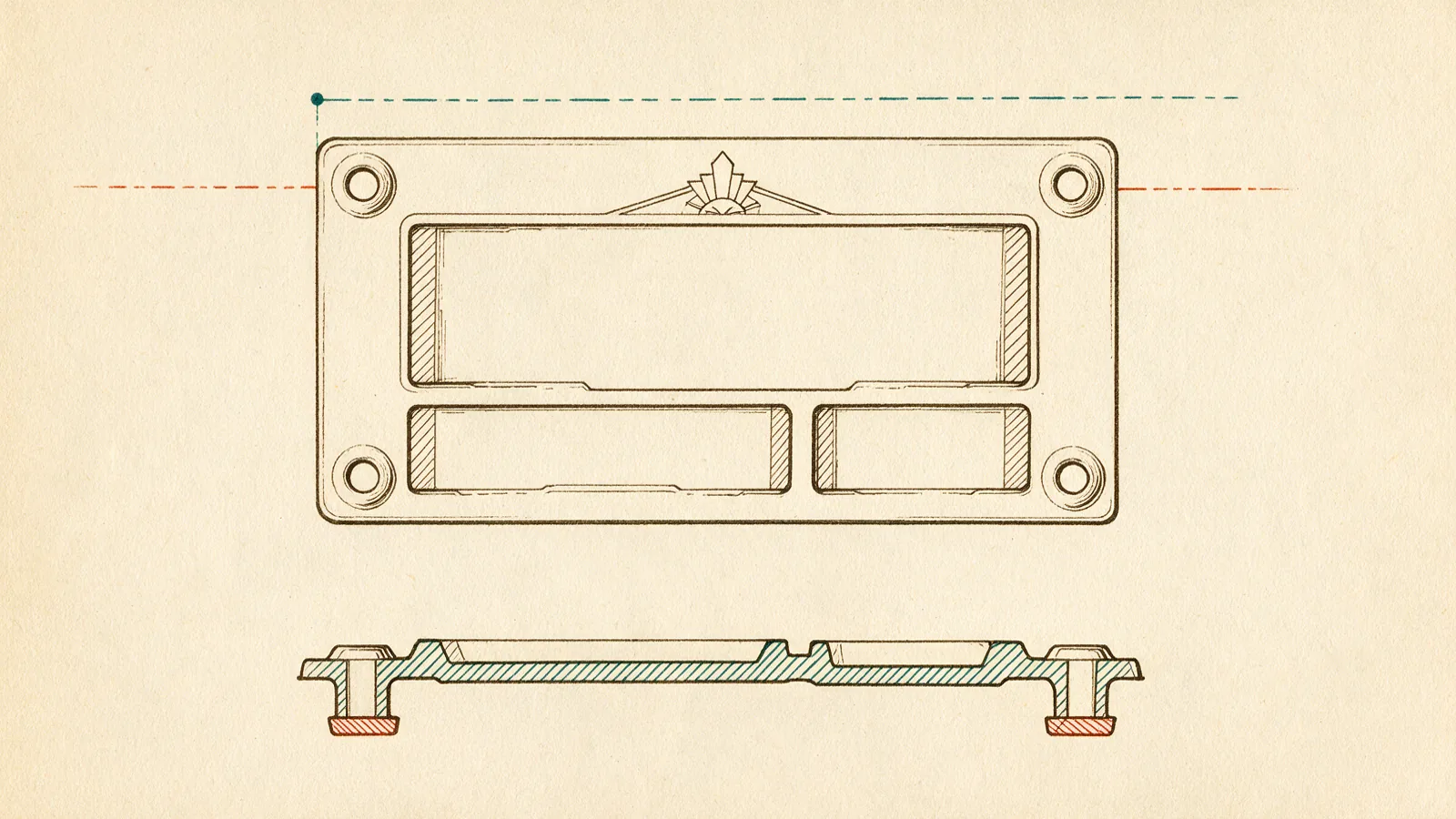
In this memo06 details
What MSS SP-25 covers
MSS SP-25 is the standard marking practice for valves, flanges, fittings and unions. It answers a narrow, practical question: what identification a valve must carry on itself (cast or forged into the body, stamped on an identification plate) and how those markings are to be applied so they survive service. It is the reason a valve made anywhere reads the same way in a rack in Subang Jaya, a plant room, or a laydown yard offshore.
The plate matters because it is the only identity document that cannot be separated from the valve. Certificates and test reports live in files, and files go missing; the marking travels bolted to the metal. Where the plate sits in the full paper trail (alongside certificates and test reports) is one of the three legs of the documentation guide. As with everything in this register, the practice's details are published reference data: the governing edition is your purchase order's.
Field by field on a typical plate
Plates vary in layout, but a typical set of fields (and what each should be read against) looks like this:
| FIELD | WHAT IT RECORDS | READ IT AGAINST |
|---|---|---|
| Manufacturer | The maker's name or trademark | The order line and the figure number quoted |
| Size | Nominal size | The line it is destined for |
| Rating | Pressure class, e.g. Class 150 or Class 300 | The purchase order and the rating envelope |
| Body material | Grade designation of the shell | The EN 10204 material certificate |
| Trim | Trim material identification | The datasheet's trim specification |
| Heat or serial number | The traceability code | The certificate and the API 598 test report |
The rating field deserves the extra minute: a class is a pressure-temperature envelope, not a working pressure, and the ASME pressure class reference shows what that envelope means before anyone matches plate to line.
Body markings versus the plate
The practice splits identification into two layers with different lifespans. Markings required on the body itself (maker, size, material, rating) are cast or forged in, and last as long as the valve does under paint, scale and decades of weather. The plate carries the fuller record: trim detail, standards references, the heat or serial number that anchors traceability. A rivet-mounted plate can be lost to corrosion or a careless blast-and-paint cycle; the body markings are the fallback that keeps the valve identifiable when it is.
The split also explains an occasional surprise at inspection: paint. A body marking under three coats of shop primer is still there, recoverable with a scraper; a plate painted over is illegible until cleaned, and cleaning it is legitimate. Neither situation is a marking failure. But a plate deliberately ground off or re-stamped is, and a valve carrying one deserves the full quarantine treatment of DETAIL 06.
Read them together and they cross-check each other. A plate whose material grade differs from the grade cast into the body is not a labelling quirk. It is a question, and the answer decides whether the valve goes anywhere near a line.
Matching an installed valve
Replacing a valve nobody has paperwork for starts at the plate. Record the maker and figure number, size, class and materials. Photograph the plate and the body markings rather than transcribing them. The figure number is the prize: it names the exact construction in the maker's system, which settles pattern, bore, seat and trim in one code. Where it is unreadable, the remaining fields plus the valve's end-to-end dimension (standardised for flanged valves under ASME B16.10 face-to-face rules) usually narrow the candidates to one.
Twenty years after the file has gone missing, the nameplate is still bolted to the facts.
What the plate cannot tell you is the service history. A valve that has spent years throttling may measure identical and behave differently. Match the identity from the metal; match the duty from the line.
Verifying a delivery
At goods-inwards the plate is the reconciliation point where paper meets metal. Size, class and figure against the purchase order. Body material grade against the EN 10204 certificate, via the heat number. Serial number against the API 598 test report, so the tested valve and the delivered valve are demonstrably the same object. Ten seconds per valve, and the loop between order, evidence and hardware is closed before anything reaches a rack.
Do it on receipt, not at installation. A discrepancy found at goods-inwards is a supplier conversation; the same discrepancy found at the flange face is a delay with a crane standing by. On a multi-line delivery, check every valve rather than sampling the crate. Mixed consignments are exactly where one wrong item hides among nine right ones.
When markings and paperwork disagree
A mismatch means the valve's identity is unproven: nothing more dramatic, and nothing less. Quarantine it, photograph plate, body markings and documents, and put the question to the supplier; the fix is usually a corrected certificate or a re-matched document pack, occasionally a valve that genuinely is the wrong one. What a mismatch never deserves is a shrug and an installation. Small valves add a wrinkle: where sizes leave no room, the practice allows reduced marking, so an absent field on a small forged valve may be legitimate. The documents then carry more of the load, which is why the pack described in how ordering works travels with the goods.
A stockist such as NF Teguh in Subang Jaya reads plates against paperwork as the day's routine work. More memos from the counter are in Insights.
Related memos
Standards named above are published reference data. Confirm against the current edition; your purchase order governs. Questions: the counter.