Bolted bonnet vs pressure seal bonnet: which a valve spec means
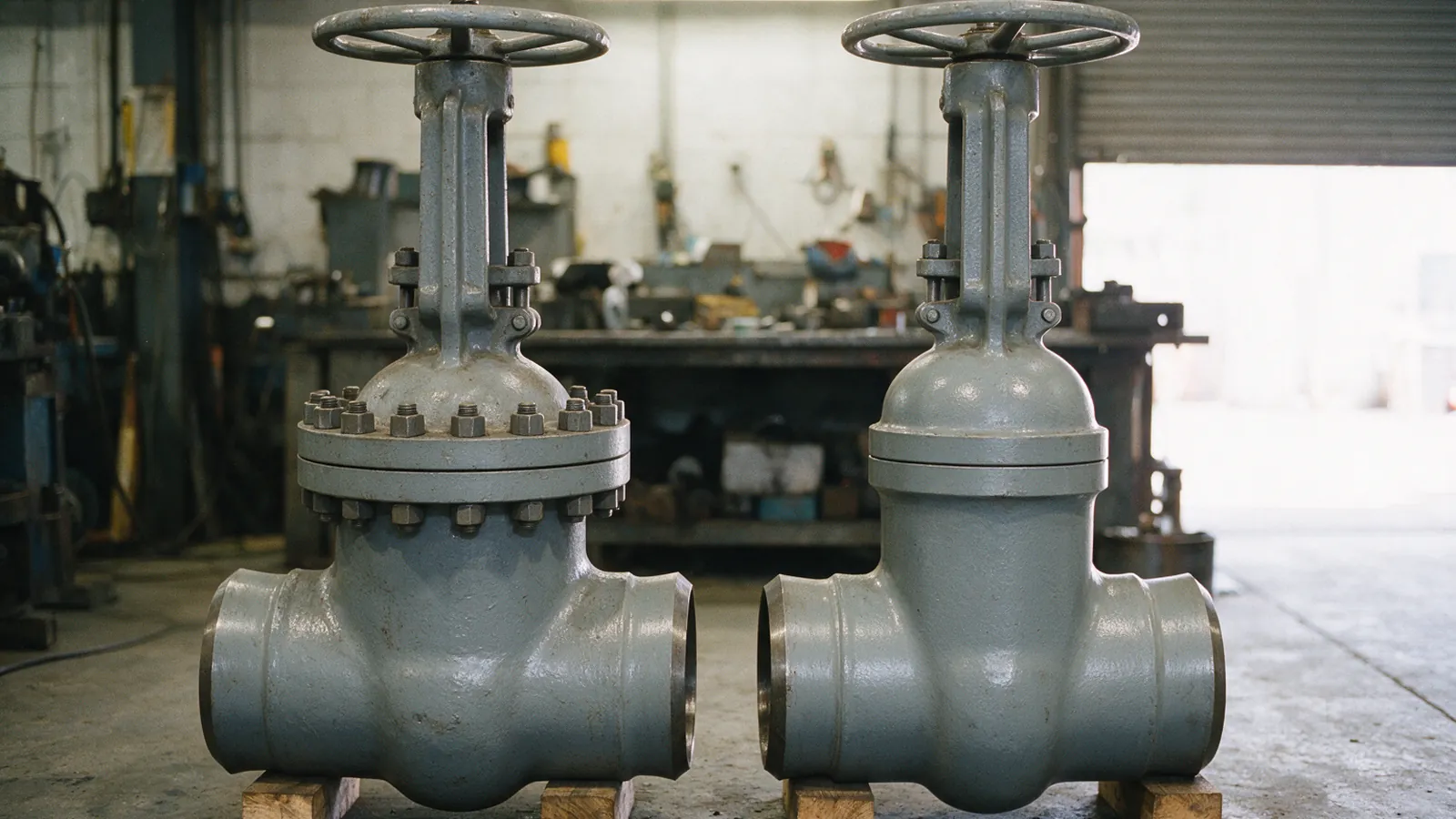
A bolted bonnet seals the joint at the top of the valve body with a gasket clamped by studs and nuts. A pressure seal bonnet uses the pressure inside the valve to load its seal, so the joint gets tighter as pressure rises. Makers place it on high-pressure steam, while API 600 covers bolted bonnet steel gate valves from Class 150 to 2500.
In this memo09 details
What is the difference between a bolted bonnet and a pressure seal bonnet?
A bolted bonnet seals the joint between the valve body and its bonnet with a gasket clamped by studs and nuts, while a pressure seal bonnet uses the pressure inside the valve to load the bonnet and its pressure seal gasket. Both close the top of the valve body, but they hold that joint shut in opposite ways.
Bonney Forge's pressure seal valve catalogue describes the pressure seal design as an alternative design to the traditional bolted-bonnet approach to sealing the body/bonnet joint
. The practical difference for a buyer is that a pressure seal valve has no pressure-retaining body-bonnet flanges or bolting, which the same catalogue lists as its first product feature.
Our glossary defines the pressure-seal bonnet in one line, and the gate valve and globe valve pages cover the valves themselves.
| Bolted vs pressure seal | Bolted bonnet | Pressure seal bonnet |
|---|---|---|
| How the joint is held | Studs and nuts clamp a gasket between body and bonnet | Line pressure loads the bonnet and its gasket; the seal tightens as pressure rises |
| Body-bonnet flanges | Yes | None, so lighter and simpler to insulate |
| Class range in the sources read | API 600 gate valves: Classes 150 to 2500 | Bonney Forge: typically from Class 600; Fluitek: 900, 1500 and 2500 common |
| Globe valve document | Covered by API 623 | Covered by API 623 |
| Options the pressure seal makers list | Not covered in the sources read | On gate valves: body cavity overpressure protection; often a warming by-pass |
How does a pressure seal bonnet seal?
A pressure seal bonnet seals because the pressure inside the valve loads the bonnet and, with it, the pressure seal gasket, so the load holding the body-bonnet joint shut grows as the line pressure rises instead of being fixed by bolts at assembly. Bonney Forge, a forged valve maker, puts the principle in one line:
"Therefore, in pressure seal valves, as the system pressure increases, potential leakage through the body/bonnet joint decreases: the higher the internal pressure, the tighter the seal."
Bonney Forge (B.F.E.), Forged Pressure Seal Valves catalogue
The catalogue names two consequences. Dropping the body-bonnet flanges reduces weight and makes the outside of the valve simpler to insulate. The other consequence runs the other way: because a pressure seal relies on system pressure to help it seal, Bonney Forge says pressure seal valves are best applied in high pressure systems.
Our memo on OS&Y gate valves covers the stem and yoke that sit above either kind of bonnet.
Which pressure class calls for a pressure seal bonnet?
A pressure seal bonnet is a high-class choice: Bonney Forge says its design is typically available from ASME Class 600, and lists its pressure seal gate, globe and check valves in Classes 600, 900, 1500 and 2500. No document read for this memo sets one class at which a bolted bonnet must give way, so the class on the line is a signal, not a rule.
A second maker places it in the same range. The Fluitek pressure seal gate valve page describes a valve for medium to very high-pressure lines, lists Classes 900, 1500 and 2500 among its common classes, and answers the question of when to choose pressure seal over a bolted bonnet with: For higher pressures and temperatures, where pressure aids bonnet sealing.
Bolted bonnets reach high classes too: the catalogue record for API 600, 14th edition, covers bolted bonnet steel gate valves in Classes 150, 300, 600, 900, 1500 and 2500. What a Class number means is in our memo on specifying pressure class, and the bonnet choice on steam lines is on our power plants page.
Not sure which bonnet your line needs? Send the line to the counter on WhatsApp.
Which standard does a bonnet line point to?
The standard named on the line is the first clue to the bonnet: API 600 is written for bolted bonnet steel gate valves, while API 623 for steel globe valves covers both bolted and pressure seal bonnets. Both titles end in "Bolted Bonnets". Only API 623's published feature list adds the pressure seal bonnet.
The catalogue record for API 600, 14th edition, May 2021 specifies a heavy-duty series of bolted bonnet steel gate valves for petroleum refinery and related applications. It lists the bolted bonnet first among the features it governs, and names no pressure seal bonnet. The Accuris record of the API 623 abstract lists both the bolted bonnet and the pressure seal bonnet among its globe valve features.
Which globe valve standard a line means is in our memo on BS 1873 or API 623, and the gate valve side in API 600 or API 602.
For its pressure seal gate, globe and check valves, Bonney Forge lists ASME B16.34 for design and rating, API 598 for inspection and testing and MSS SP-25 for marking. Confirm against the current edition of each; your purchase order governs.
What else comes with a pressure seal gate valve?
A pressure seal gate valve on high-pressure duty brings three questions to settle on the enquiry: how the body cavity is protected from overpressure, whether a warming by-pass is needed, and whether the ends are butt-welded. Settle all three before the valve is quoted.
Bonney Forge's catalogue explains body cavity overpressure among its gate valve options. With the valve closed, the pressure trapped in the body cavity can rise, for example on heat-up during plant operation or from condensation trapped in the cavity. Bonney Forge warns that body cavity overpressure may make the valve inoperable and can be dangerous, and offers an equalising pipe, an automatic pressure balance device or a relief device on the cavity. An equalising line to the high-pressure side makes the valve seal in one direction only, so the flow direction has to be on the order.
The same catalogue says by-passes are used mainly in steam services to warm the line before the main valve is opened, or to balance the pressure on both sides of it and so reduce the torque needed to open it. The Fluitek page lists the same checks for high pressure: body cavity overpressure relief, a warm-up by-pass, the differential pressure on opening, the operating torque, and whether butt-welding ends should replace flanges. How end connections are specified is in our memo on valve end connections.
What are the drawbacks of a pressure seal bonnet?
The main drawback of a pressure seal bonnet is the one its makers state: it relies on system pressure to help it seal, so Bonney Forge says it is best applied in high pressure systems rather than on low-pressure duty.
The advantages are on the same list. Bonney Forge describes its pressure seal valves as lighter than a bolted bonnet design, with no pressure-retaining body-bonnet flanges or bolting, and calls the pressure seal the best option for the high-pressure steam industry
. A bolted bonnet gives up the self-tightening joint, and API 600 covers it for gate valves from Class 150 to 2500.
What should a bonnet line on an enquiry state?
A bonnet line on an enquiry should state the bonnet type, the class and the service, and for a pressure seal gate valve the cavity protection and by-pass as well, because each one changes the valve that is quoted. These six points let a supplier quote the valve the specification means:
- The valve type and size: gate, globe or check, NPS or DN.
- The class, the service fluid, and the design pressure and temperature.
- The bonnet: bolted or pressure seal, or "maker's standard" if the specification leaves it open.
- The standard and edition the line names: API 600, API 623 or ASME B16.34.
- For a pressure seal gate valve: body cavity overpressure protection, and the flow direction if it makes the valve one-way.
- Any warming by-pass, and the end connection: flanged or butt-welding.
NF Teguh is a Petronas registered vendor, and gate, globe and check valves are among its six valve families. Send the line and the standard your specification names to the counter on +6012 944 3980, or email sales@nf-teguh.com.my, and we will reply on what we can quote.
What do buyers ask about bonnets?
Is a pressure seal bonnet better than a bolted bonnet?
A pressure seal bonnet is not better in every service. Its joint tightens as line pressure rises, which suits high-pressure steam, but it relies on that pressure to help it seal, so Bonney Forge says it is best applied in high pressure systems. A bolted bonnet is not limited to low classes: API 600 covers bolted bonnet gate valves from Class 150 to 2500.
Can an API 600 gate valve have a pressure seal bonnet?
The catalogue record for API 600, 14th edition, describes bolted bonnet steel gate valves and names no pressure seal bonnet. Bonney Forge designs its pressure seal gate valves to ASME B16.34. If your specification asks for both, raise it before the order.
Do check valves come with pressure seal covers too?
Pressure seal check valves do exist. Bonney Forge's catalogue lists pressure seal swing check, tilting disc and piston check valves in Classes 600 to 2500 alongside its gate and globe valves. The same class question applies, so state the bonnet or cover type on a high-class check valve line as well.
Does every pressure seal valve need a by-pass?
Not every pressure seal valve needs a by-pass. Bonney Forge says by-passes are used mainly in steam services, to warm the line or to balance the pressure across the valve so it takes less torque to open, and the Fluitek page says a by-pass is often needed for large sizes or a high differential pressure. Ask for one where the specification or the service calls for it.
Sources
Read 24 October 2026.
- Bonney Forge (B.F.E.), Forged Pressure Seal Valves catalogue: the pressure seal valve description, product features, applicable standards, class range, body cavity overpressure devices and by-passes.
- Fluitek, Wedge type pressure seal bonnet gate valve, product page published by Philippopoulos: classes, design considerations for high pressure and its FAQ.
- Normservis, catalogue record for API STD 600, 14th edition, May 2021: title, scope, features and class designations.
- Accuris, API STD 623 product record: the scope abstract and the bonnet types it lists.
No clause, table, test value or requirement text from API 600, API 623, ASME B16.34, API 598 or MSS SP-25 is reproduced here; the details are taken from public abstracts and manufacturers' catalogues and summarised. These designations are identifiers only, and no NF Teguh stock, capability or certification claim attaches to any of them. Confirm every line against the current edition. Your purchase order governs.
Related memos
Standards named above are published reference data. Confirm against the current edition; your purchase order governs. Questions: the counter.