Specifying industrial valves: from line conditions to purchase order.
- ASME B16.34
- API 598
- EN 10204
Specifying an industrial valve means turning line conditions into an unambiguous purchase order: fluid, pressure and temperature first, then valve type, pressure class, body and trim material, end connection, operator, and the testing or certificates required. Miss a field and the quotation round-trips; state them all and pricing is fast. This guide walks that sequence in order, linking the deeper references behind each decision.
In this memo08 details
Why start from the line, not the valve?
Every good specification begins with three facts the plant already knows: what flows in the line, at what pressure, and at what temperature. Write them down first, because every later decision is a function of them: the pattern, the class, the materials, even which certificates are worth paying for.
A specification that starts from a valve catalogue instead tends to work backwards, bending the duty to fit a part number.
Add the operating context while you are there: is the duty open-shut or regulating, how often will the valve cycle, is the medium clean or dirty, and does the line ever see pigging? Five minutes of honesty here saves two rounds of quotation questions later.
How do you choose the valve type?
The duty picks the family.
- Isolation on a clean line: a gate valve, full bore, nothing in the stream.
- Regulation: a globe valve, built to throttle.
- Fast quarter-turn shutoff and tight sealing: a ball valve.
- Dirty or viscous media: a plug valve.
- Large bore where weight and cost govern: a butterfly valve.
- Backflow protection: a check valve, sized to the flow, not the pipe.
Name the duty, not the part number. The pattern follows from the job, and a supplier who knows the hardware can check your choice against it.
Where two families genuinely overlap, the comparison sheets set out the trade: gate vs globe for isolation against control, ball vs butterfly for quarter-turn duty at size.
The body material line carries its own trap: WCB, LCB and CF8M belong to three different ASTM casting specifications, and the grade name settles the material rather than the rating.
The end connection carries the same trap one step further out: ASME B16.5 and ASME B16.47 are divided by size in their own titles, and B16.47 is published in two separately tabulated series.
Which end the valve carries is a separate decision again. Flanged, butt weld, socket weld and threaded ends are each described in their own document, and naming one settles how the joint is made rather than the rating, the material or the test.
Where the family itself is open, the two quarter-turn options are bought against different documents. Plug valve against ball valve sets out what API 599 and API 608 each state they cover, where their size bands and class lists stop, and what the order still has to say.
Where the specification names an isolation requirement rather than a family, read the words closely. Double block and bleed and double isolation and bleed are not the same requirement, and an enquiry has to say which one it means.
How do you choose the pressure class?
Choose it from design pressure and design temperature together. A pressure class is an envelope, not a number: Class 150 permits one pressure at ambient and a lower one at every step of temperature above it, per material group, as tabulated in ASME B16.34.
The classic error is rating a hot line from its gauge pressure alone. Work the check in the pressure class reference, then confirm against the current edition of the standard: the table on your purchase order governs, not a website.
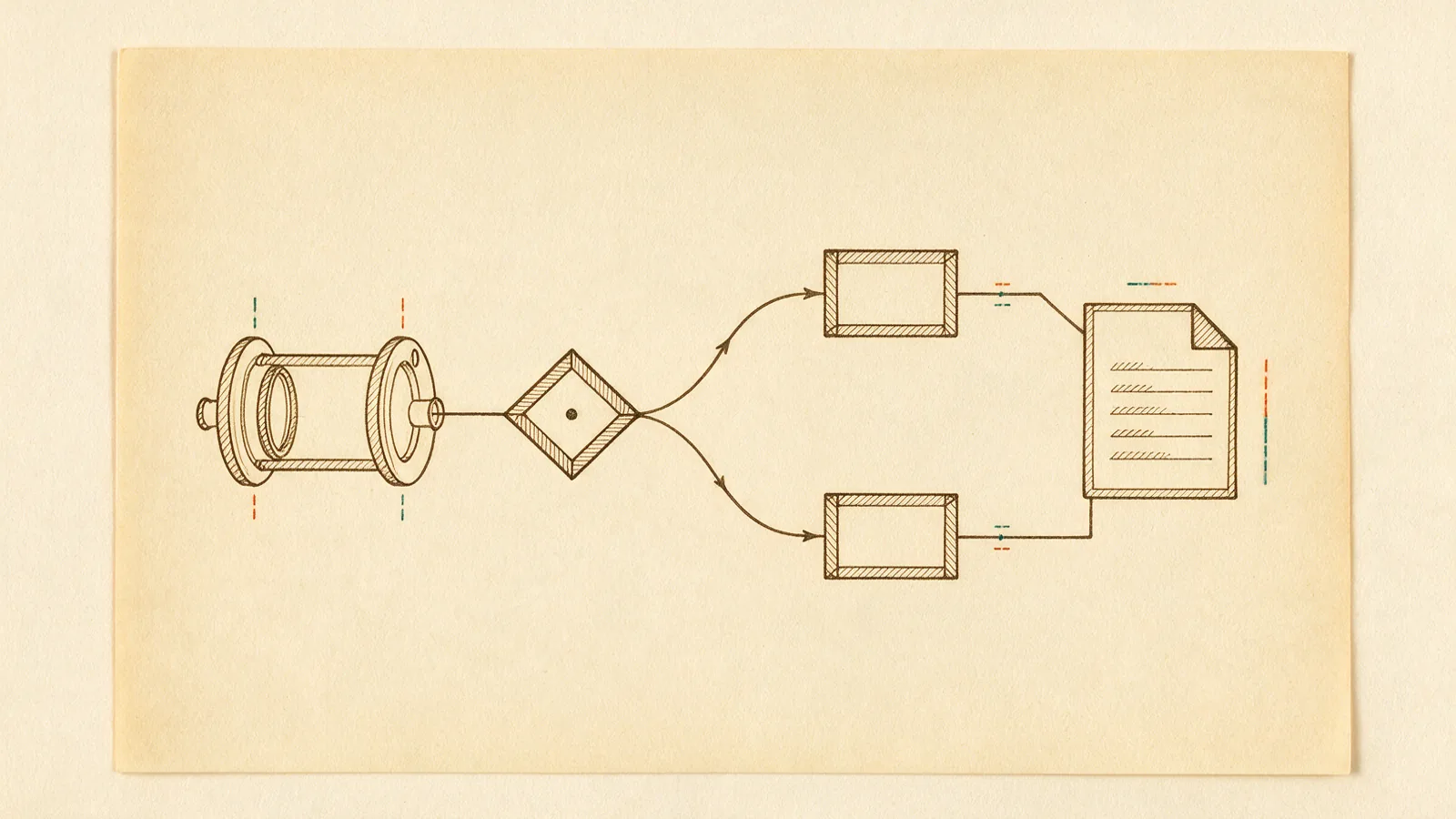
Which body and trim materials fit the duty?
Carbon steel bodies cover most hydrocarbon and utility duty; move to low-temperature grades where the design dips cold, and to stainless or alloy where corrosion or temperature demands it.
Trim is its own decision (seats, disc facing, stem), and it is where a hard service gets answered: hard facing for cycling under differential pressure, corrosion-resistant trim for aggressive media.
Sour service pulls in NACE MR0175 material limits for body, trim, bolting and welds alike. State the fluid plainly and let the material answer follow it.
Which end connection and operator does the line need?
Ends must match the line: flanged to the flange standard your piping uses, on the facing it specifies, RF, FF or RTJ, at the installed length ASME B16.10 sets for face-to-face dimensions; butt-weld for high-integrity welded systems; threaded or socket-weld at small bore (see small-bore compact valves under API 602).
The operator is the last mechanical choice: handwheel for occasional stroking, gearbox where the torque climbs with size and class, actuator where the valve answers a control system. An actuated line needs its mounting pad and signal stated on the enquiry, or the quotation comes back as questions.
Which tests and certificates should you require?
Two documents cover most orders. API 598 testing proves the finished valve (shell and seats), and its report should travel with the goods; what the report shows is unpacked in the API 598 memo.
EN 10204 certificates prove the material; type 3.1 is the routine ask, 3.2 adds third-party validation for critical service. The difference is the subject of its own memo.
Both are cheap to require up front and near-impossible to conjure after delivery.
What goes on the purchase order?
The finished purchase order reads like the enquiry that produced it: six lines per item, nothing implied. It states size and class, end connection, body and trim material, service conditions, operator, and the testing and certification required.
| Line | What it states | Detail |
|---|---|---|
| Size and class | The size, and the class chosen from design pressure and design temperature together | Pressure class reference |
| End connection | Flanged (with its facing: RF, FF or RTJ), butt-weld, threaded or socket-weld | End connections |
| Body and trim material | The body grade for the duty, and the trim (seats, disc facing, stem) for a hard service | Body material codes |
| Service conditions | The fluid, its pressure and temperature, open-shut or regulating, and sour service where it applies | Sour service |
| Operator | Handwheel, gearbox or actuator; for an actuator, its mounting pad and signal | Detail 05 above |
| Testing and certification | The API 598 test report, and the EN 10204 certificate type (3.1 or 3.2) | Procurement documentation |
Send that list to the counter and the quotation states what is from stock and what is on indent; the whole route is on how ordering works. A specification written this way survives contact with any supplier, which is exactly the test it should pass.
What do buyers ask about specifying a valve?
What should a valve enquiry state first?
The line: what flows in it, at what pressure and at what temperature. The pattern, the class, the materials and the certificates worth paying for all follow from those three facts.
Can the pressure class be chosen from gauge pressure alone?
No. A class permits a lower pressure at every step of temperature, per material group, as tabulated in ASME B16.34. Choose it from design pressure and design temperature together, and confirm against the current edition; your purchase order governs.
Which documents should a valve order require?
Usually two: the API 598 test report, which proves the finished valve's shell and seats, and an EN 10204 certificate for the material. Type 3.1 is the routine ask; 3.2 adds third-party validation for critical service.
What changes when the line is in sour service?
NACE MR0175 material limits apply to the body, trim, bolting and welds alike. State the fluid plainly and the material answer follows it.
What does an actuated valve need on the enquiry?
Its mounting pad and its signal. Leave them off and the quotation comes back as questions.
The memos behind this guide
Each decision above has a deeper memo behind it. These memos carry the detail this guide deliberately compresses. Read the one your specification is currently stuck on.
Specifying pressure class
What Class 150, 300 and 600 actually permit, by temperature.
MEMOFire-safe valves
API 607 vs API 6FA, and when a specification asks for them.
MEMOSour service
NACE MR0175 material limits, in plain terms.
MEMOOS&Y explained
Why rising-stem gate valves dominate isolation duty.
MEMOAPI 600 vs API 602
Which gate valve standard a spec line means, and where the two overlap.
MEMOFace-to-face lengths
ASME B16.10 lengths, and ordering a replacement that fits the gap.
MEMOFlange faces
What RF, FF and RTJ mean on a valve flange, and the gasket each one needs.
MEMODBB or DIB
Double block and bleed and double isolation and bleed are not the same requirement.
MEMOBody material codes
Which ASTM specification WCB, LCB and CF8M each belong to, and what the grade does not settle.
MEMOB16.5 or B16.47
Which flange standard a size falls under, and why a large diameter line has to name the series.
MEMOEnd connections
Flanged, butt weld, socket weld or threaded: how each joint is made, and what naming one leaves open.
MEMOPlug or ball
What API 599 and API 608 each say they cover, and what naming either family leaves open.
MEMOCasting surface quality
What MSS SP-55 judges, what a visual standard cannot catch, and what an enquiry has to say.
MEMOValve trim
What trim is, what 13Cr names, when a seat needs hard facing, and what to state on the enquiry.
MEMOValve operators
Handwheel, gearbox or actuator: which one the duty calls for, and what the operator line must state.
MEMOAPI 6D or API 608
Which ball valve standard a line means, where API 608 stops, and what the 25th edition of API 6D added.
MEMOBolted or pressure seal bonnet
How each bonnet seals, the classes each is found in, and what a pressure seal valve adds to the order.
MEMOBS 1873 vs API 623
Which globe valve standard a spec line means, and where neither reaches.
GUIDEProcurement documentation
Certificates, test reports and markings: who issues what.
REGThe full register
Every memo on file, by cluster.